10 Best Ways Next Generation Firewall Protects Networks in 2026

Traditional perimeter security used to rely on basic port filtering and IP address blocking to keep unwanted traffic out of internal company networks. However, modern enterprise networks operate across hybrid cloud environments, SaaS platforms, remote workforce endpoints, and encrypted web API pipelines.
Understanding how a Next Generation Firewall operates in modern enterprise environments is vital for protecting modern digital infrastructure.
In 2026, legacy packet-filtering tools are no longer sufficient to stop advanced threats like fileless malware, credential harvesting, or encrypted covert channels. Deploying a Next Generation Firewall goes beyond basic network entry rules by incorporating deep packet inspection, application-level awareness, user identity integration, and cloud threat intelligence.
This comprehensive guide breaks down how a Next Generation Firewall works, compares traditional filtering against advanced NGFW architectures, outlines essential features, and provides a practical security implementation checklist.
What Is a Next Generation Firewall (NGFW)?
To understand how modern security perimeters operate today, it helps to contrast traditional filtering models with a Next Generation Firewall.
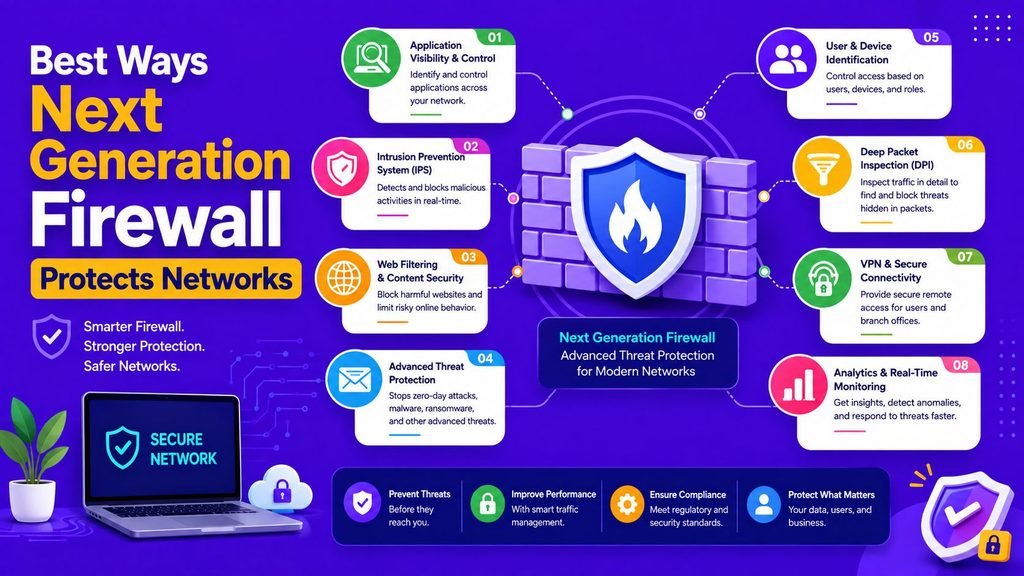
A Next Generation Firewall (NGFW) is an advanced security system that inspects network traffic at the application layer (Layer 7) while integrating intrusion prevention systems (IPS), deep packet inspection, and real-time threat intelligence.
┌─────────────────────────────────────────────────────────────┐
│                 NGFW Deep Inspection Flow                   │
├──────────────────┬──────────────────┬───────────────────────┤
│ Packet Arrival   │ Identity & App   │ Threat Prevention &   │
│ (Encrypted TLS)  │ Identification   │ Policy Enforcement    │
└──────────────────┴──────────────────┴───────────────────────┘
When analyzing a Next Generation Firewall across different technological eras:
- Traditional Firewalls: Inspect basic packet metadata (Source IP, Destination IP, Port numbers, and Protocols).
- Next Generation Firewall: Inspects full packet payloads, identifies specific user identities, recognizes exact software applications, and scans contents for known malware signatures.
Instead of simply permitting or blocking generic port traffic, a Next Generation Firewall can enforce granular rules—such as permitting team access to business messaging apps while blocking file-upload capabilities within those same tools.
5 Core Capabilities of a Next Generation Firewall
Analyzing a Next Generation Firewall in modern enterprises highlights five core security modules integrated into NGFW platforms:
1. Application-Awareness and Control
A Next Generation Firewall identifies exact software applications regardless of which port or protocol they use to transport data. This prevents unauthorized applications from hiding inside standard web ports like Port 443 (HTTPS).
2. Integrated Intrusion Prevention Systems (IPS)
By inspecting network payloads in real time, built-in IPS modules within a Next Generation Firewall detect and block vulnerability exploits, port scans, and malicious command-and-control (C2) communication attempts automatically.
3. User Identity Integration
Rather than mapping security rules strictly to static IP addresses, a Next Generation Firewall connects to identity providers (like Active Directory or Okta). This allows security teams to enforce policies based on specific user roles and departments.
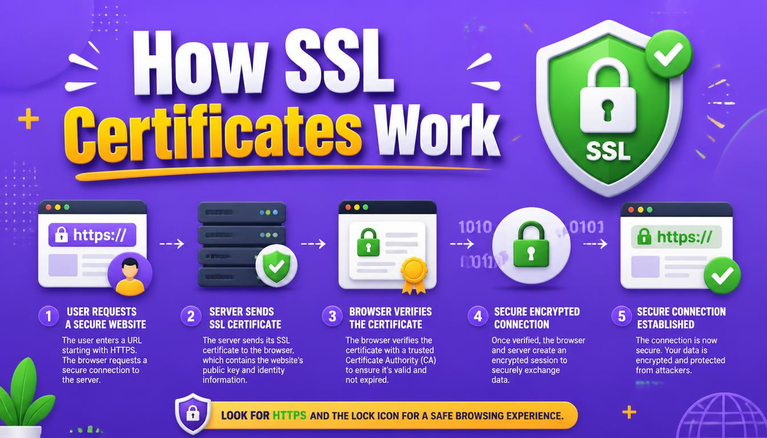
4. Encrypted Traffic Inspection (TLS/SSL Decryption)
Because over 90% of web traffic is encrypted, cybercriminals often attempt to hide malware inside encrypted HTTPS streams. A Next Generation Firewall performs hardware-accelerated TLS inspection to scan encrypted payloads for hidden threats safely.
5. Cloud-Delivered Threat Intelligence
A Next Generation Firewall queries cloud intelligence feeds constantly to receive instant updates regarding newly discovered malicious IP addresses, fraudulent domains, and zero-day malware hashes.
Official network security guidelines published by the Cybersecurity and Infrastructure Security Agency (CISA) emphasize deploying application-aware security systems like a Next Generation Firewall to protect critical enterprise infrastructure.
Developers inspecting open-source firewall scripts or configuring custom network security rules routinely reference verified code repositories on GitHub.
Comparison Table: Traditional vs. Next Generation Firewall
| Security Feature | Traditional Firewall | Next Generation Firewall (NGFW) |
| Inspection Layer | Layer 3 & Layer 4 (Network/Transport) | Layer 7 (Application Layer) |
| Traffic Metadata | IP addresses, Ports, Protocols | User identity, App name, Payload content |
| Threat Inspection | Basic packet header filtering | Deep Packet Inspection (DPI) & IPS |
| Encrypted Visibility | Cannot inspect TLS/SSL traffic | Performs full TLS/SSL decryption & scan |
| Threat Intelligence | Static manual rule updates | Real-time cloud threat intelligence |
10 Best Rules for Deploying a Next Generation Firewall
To optimize how a Next Generation Firewall protects your organizational setup, implement these ten baseline operational rules:
- Enforce Application-Specific Control Rules: Restrict unapproved file-sharing apps and shadow IT software.
- Enable Encrypted TLS Payload Inspection: Inspect incoming encrypted web traffic to stop concealed malware.
- Bind Firewalls to Identity Management: Apply firewall rules using user identity roles rather than temporary IP addresses.
- Deploy Intrusion Prevention System (IPS) Rules: Block automated exploit attempts before they reach internal servers.
- Enforce Multi-Factor Authentication (MFA): Protect administrative firewall portals. Learn setup steps in our guide on How to Set Up Two-Factor Authentication.
- Integrate Zero Trust Access Frameworks: Never grant automatic trust based on physical network location. Read our complete guide on What Is Zero Trust.
- Harden Remote Workforce Endpoints: Extend perimeter policies to remote laptops using our guide on Simple Cybersecurity Tips.
- Educate Users Against Phishing: Prevent credentials from being stolen via email traps. Read our breakdown on 10 Best Ways to Spot Advanced Email Phishing Scams.
- Secure Network Foundations: Review baseline network principles in our overview of Network Security Basics.
- Audit Firewall Rules Quarterly: Remove legacy access rules created for old projects or former staff members.
Integrating NGFWs into Modern Cloud Architecture
Understanding the role of a Next Generation Firewall in modern environments connects directly with broader enterprise cloud strategies.
┌─────────────────────────────────────────────────────────────┐
│              SaaS & Cloud Firewall Vetting                  │
├─────────────────────────────────────────────────────────────┤
│ 1. Confirm support for cloud-native FWaaS deployments       │
│ 2. Audit background API integration capabilities            │
│ 3. Review subscription pricing against bandwidth throughput  │
└─────────────────────────────────────────────────────────────┘
For guidelines on managing background data connections securely between apps, consult our guide on How Software Integration Works.
To evaluate software options before adopting enterprise cloud tools, consult our selection framework on How to Choose Software.
To review pricing structures across software platforms before subscribing, check our Simple SaaS Pricing Guide.
To explore curated security software suites for distributed teams, read our article on the Top SaaS Tools 2026.
For clear guidelines on securing SaaS apps across remote teams, review our tutorial on Easy SaaS Security Rules.
To master baseline credential security across all accounts, read our tutorial on How to Create and Manage Strong Passwords.
Final Thoughts
Deploying a Next Generation Firewall in modern security models allows organizations to maintain full visibility over their digital perimeter. By combining deep packet inspection, application-level filtering, user identity controls, and real-time cloud threat intelligence, a Next Generation Firewall delivers resilient defense against sophisticated cyber threats in 2026.
Start today: audit your network perimeters, enable application-aware rules, integrate identity-based policies, and keep your security appliances updated.
Frequently Asked Questions (FAQs)
What is the primary function of a Next Generation Firewall?
A Next Generation Firewall combines traditional network traffic filtering with deep packet inspection, application-level awareness, intrusion prevention (IPS), and real-time cloud threat intelligence to block advanced cyber threats.
Does a Next Generation Firewall replace local antivirus software?
No. An NGFW inspects network traffic moving across your perimeter, while antivirus software (endpoint security) protects individual computers from malware execution, malicious local files, and offline infection vectors.
Can a Next Generation Firewall inspect encrypted HTTPS traffic?
Yes. Modern NGFW solutions use SSL/TLS inspection techniques to temporarily decrypt, scan, and re-encrypt web traffic, ensuring that malicious payloads cannot bypass perimeter controls hidden inside encrypted connections.
Share Your Experience
How does your team manage network firewall policies across remote or hybrid environments? Do you rely on physical hardware appliances, cloud-delivered FWaaS, or integrated WAF platforms? Share your experiences and security questions in the comments below!



2 Comments