10 Best Ways for Zero Trust Architecture Implementation in 2026

Traditional castle-and-moat cybersecurity perimeter models assumed that every device and user operating inside an internal corporate network could be trusted implicitly. However, modern enterprise operations depend heavily on multi-cloud environments, distributed SaaS platforms, remote workforce endpoints, and third-party API connections.
Mastering Zero Trust architecture implementation is crucial for establishing modern enterprise threat defense.
In 2026, relying solely on network perimeters leaves systems vulnerable to credential theft, insider threats, and lateral malware movement. Instead of granting implicit trust based on physical network location, modern security frameworks operate under one fundamental rule: never trust automatically, always verify explicitly.
This comprehensive guide details Zero Trust architecture implementation, explores its core operational principles, outlines key components, compares legacy perimeter models against modern identity frameworks, and provides a beginner roadmap.
What Is Zero Trust Architecture Implementation?
To understand Zero Trust architecture implementation in practice, organizations must shift from network-centric boundaries to identity- and data-centric access controls.
Zero Trust is an architectural security model that enforces continuous authentication, strict authorization, and dynamic risk evaluation for every access request across an enterprise network.
┌─────────────────────────────────────────────────────────────┐
│                Zero Trust Access Pipeline                   │
├──────────────────┬──────────────────┬───────────────────────┤
│ Access Request   │ Identity & Device│ Least-Privilege       │
│ (User / Device)  │ Verification     │ Resource Access       │
└──────────────────┴──────────────────┴───────────────────────┘
When evaluating Zero Trust architecture implementation across enterprise technical infrastructure:
- Legacy Security: Grants broad internal network access once a user bypasses the perimeter firewall.
- Zero Trust Security: Treats every request as if it originates from an untrusted public network, verifying identity, device health, and context continuously.
Official cybersecurity guidance published by the Cybersecurity and Infrastructure Security Agency (CISA) highlights Zero Trust architecture as the modern baseline for protecting federal and private digital assets.
The 3 Core Principles of Zero Trust
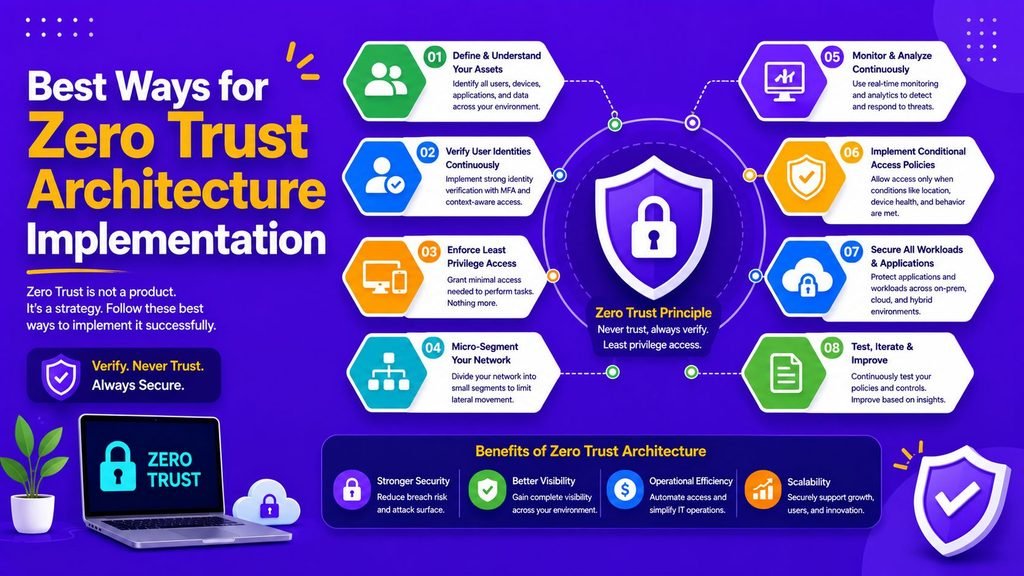
Planning a Zero Trust architecture implementation requires adhering to three core governing principles:
1. Verify Explicitly
Always authenticate and authorize based on all available security data points—including user identity, geographic location, device compliance state, service context, and data sensitivity levels.
2. Apply Least-Privilege Access
Limit user access with Just-In-Time (JIT) and Just-Enough-Access (JEA) policies. Restricting permissions minimizes the exposure area if a user account is compromised.
3. Assume Breach
Operate under the assumption that malicious actors may already exist inside your network. Protect sensitive data by segmenting networks, encrypting internal communications, and monitoring traffic anomalies continuously.
Developers configuring identity access policies or inspecting open-source security modules routinely reference technical repositories on GitHub.
Key Components of Zero Trust Architecture Implementation
Successful Zero Trust architecture implementation requires integrating several essential security layers:
- Identity and Access Management (IAM): Centralized identity providers (IdPs) handle Single Sign-On (SSO) and granular role-based permissions.
- Multi-Factor Authentication (MFA): Secondary verification mechanisms like authenticator apps or biometric passkeys. Learn setup steps in our guide on How to Set Up Two-Factor Authentication.
- Device Health Verification: Validating that endpoints run up-to-date operating systems, disk encryption, and active endpoint protection.
- Micro-Segmentation: Dividing networks into small, isolated zones to prevent attackers from moving laterally.
- Continuous Data Protection: Encrypting sensitive data at rest and in transit.
Comparison Table: Legacy Perimeter Security vs. Zero Trust
| Security Aspect | Legacy Perimeter Security | Zero Trust Architecture |
| Trust Baseline | Granted implicitly inside perimeter | Never granted implicitly; always verified |
| Primary Focus | Hardening outer network firewalls | Protecting specific identities & assets |
| Access Extent | Broad internal network access | Granular, least-privilege resource access |
| Verification Frequency | Verified once at initial network login | Evaluated continuously per request |
| Threat Containment | Poor lateral movement protection | Strong micro-segmentation containment |
10 Best Rules for Zero Trust Architecture Implementation
To execute Zero Trust architecture implementation effectively across your operational environment, follow these ten guidelines:
- Map Your Critical Assets and Data Flow: Identify high-value databases, SaaS tools, and proprietary source code repositories.
- Mandate Strong Multi-Factor Authentication: Require MFA across all employee accounts. Read our tutorial on How to Set Up Two-Factor Authentication.
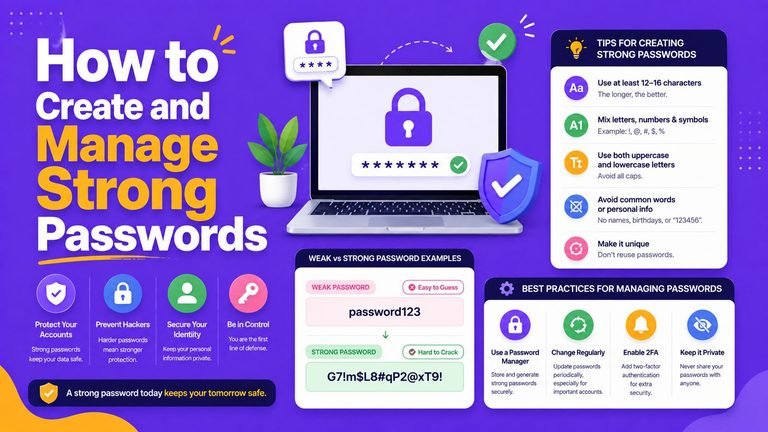
- Enforce Strong Password Vault Hygiene: Require unique passphrases across all platforms. Learn more in our guide on How to Create and Manage Strong Passwords.
- Harden Endpoint Devices for Remote Work: Extend security policies to remote laptops using our guide on Simple Cybersecurity Tips.
- Protect Remote Email and Messaging Pipelines: Guard against credential phishing traps. Read our guide on 10 Best Ways to Spot Advanced Email Phishing Scams.
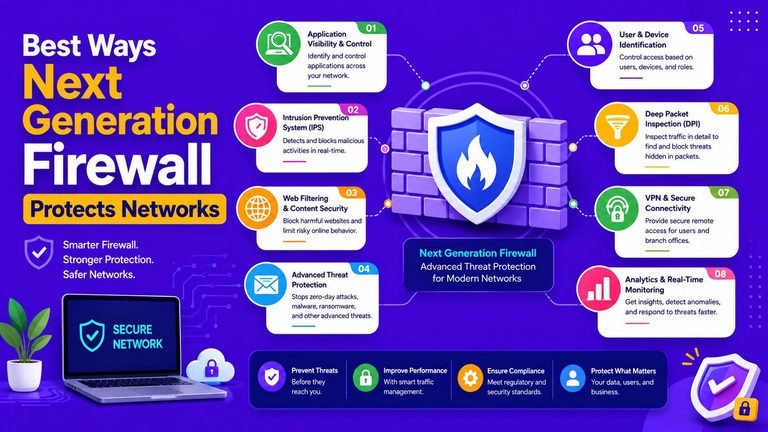
- Upgrade Perimeter Networks to Next-Gen Appliances: Combine Zero Trust identity rules with deep packet inspection. Learn more in our article on 10 Best Ways Next Generation Firewall Protects Networks in 2026.
- Incorporate Baseline Network Hygiene: Review essential perimeter concepts in our overview of Network Security Basics.
- Enforce Enterprise SaaS Access Rules: Control third-party cloud apps using our tutorial on Easy SaaS Security Rules.
- Audit Internal Service APIs: Secure backend application data pipelines using our framework on How Software Integration Works.
- Review Access Rights Quarterly: Revoke outdated permissions for former employees or completed client projects.
Vetting Enterprise Tools for Zero Trust Architecture Implementation
Selecting software platforms that support Zero Trust architecture implementation requires systematic evaluation.
┌─────────────────────────────────────────────────────────────┐
│              Zero Trust Tool Vetting Checklist              │
├─────────────────────────────────────────────────────────────┤
│ 1. Verify native support for SAML 2.0 / OIDC integrations  │
│ 2. Confirm continuous device posture verification support   │
│ 3. Review subscription costs against total user licenses    │
└─────────────────────────────────────────────────────────────┘
To evaluate software management platforms before adoption, consult our selection framework on How to Choose Software.
To analyze software licensing costs across enterprise cloud security vendors, check our Simple SaaS Pricing Guide.
To explore top security software suites, read our article on the Top SaaS Tools 2026.
Final Thoughts
A successful Zero Trust architecture implementation allows organizations to build resilient, identity-driven security models tailored for cloud and hybrid environments. By verifying every user explicitly, enforcing least-privilege permissions, micro-segmenting networks, and continuously inspecting access requests, you protect critical systems from evolving cyber threats in 2026.
Start today: conduct an audit of user access privileges, enforce MFA on all identity portals, and begin segmenting your sensitive data stores.
Frequently Asked Questions (FAQs)
What is the first step in Zero Trust architecture implementation?
The first step is identifying and mapping your most critical assets, sensitive data, and applications to understand who requires access and how data flows across your network.
Does Zero Trust implementation replace traditional firewalls?
No. Zero Trust does not replace firewalls; instead, it works alongside perimeter devices—like Next-Generation Firewalls—by adding identity management, micro-segmentation, and endpoint health verification.
Is Zero Trust architecture implementation expensive for small businesses?
No. Small businesses can implement Zero Trust principles incrementally using existing identity providers (like Google Workspace or Microsoft 365) to enforce MFA, role-based access, and device updates without large budget increases.
Share Your Experience
Is your organization undergoing a Zero Trust architecture implementation or transitioning away from legacy VPNs? What challenges have you encountered with identity verification or access management? Share your questions and thoughts in the comments below!