Easy Workflow Automation Tools: 10 Proven Best Systems in 2026

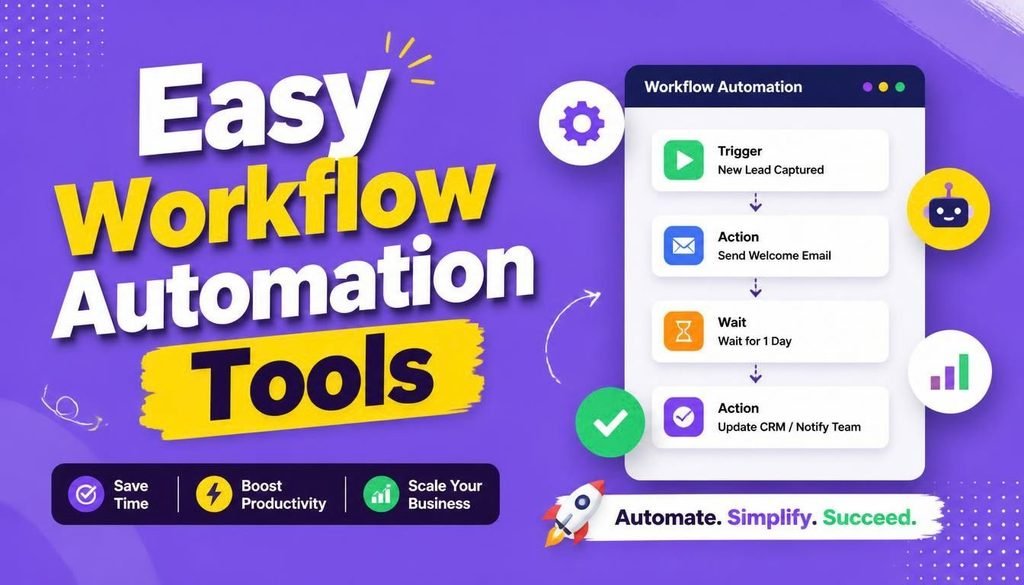
Streamlining day-to-day operations is no longer exclusive to enterprise corporations with massive IT budgets. Modern freelancers, startup teams, and small business owners spend hours each week manually copying form entries into spreadsheets, uploading email attachments to cloud drives, and updating CRM records.
Using easy workflow automation tools turns these fragmented, repetitive chores into smooth, hands-off background processes.
In 2026, no-code visual builders, drag-and-drop triggers, and pre-built templates make setting up automations accessible to anyone—no programming background required. By pairing software applications through simple “if-this-then-that” logic, you can free up valuable time to focus on business strategy and creative work.
This comprehensive guide reviews the leading easy workflow automation tools available this year, comparing core features, visual interface styles, and best use cases to help you choose the right platform.
What Are Easy Workflow Automation Tools and How Do They Work?
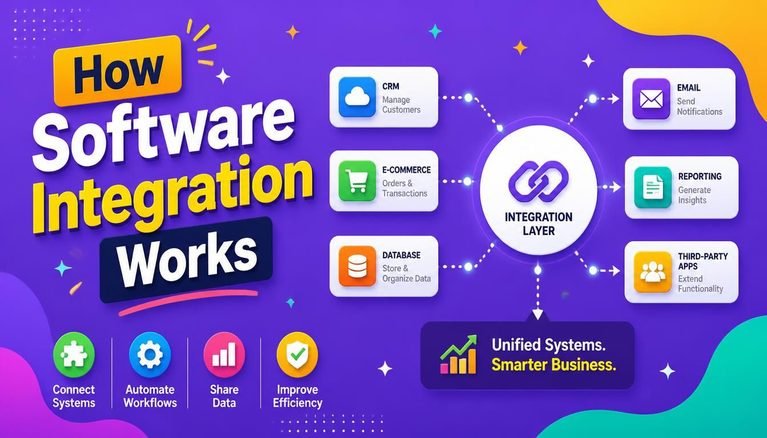
Workflow automation uses connected cloud applications to perform multi-step digital tasks automatically. Instead of manually moving information from one app to another, an easy workflow automation tool listens for a specific trigger event and instantly executes defined downstream actions.
┌─────────────────────────────────────────────────────────────┐
│                 Basic No-Code Automation Flow               │
├──────────────────┬──────────────────┬───────────────────────┤
│ Trigger Event    │ Automated Logic  │ Final Action          │
│ (New Web Form)   │ (Classify Lead)  │ (Create CRM Contact)  │
└──────────────────┴──────────────────┴───────────────────────┘
Common processes managed by easy workflow automation tools include:
- Lead Management: Routing new contact form inquiries straight into sales pipelines.
- Document Management: Auto-saving incoming invoice attachments to Google Drive or OneDrive.
- Internal Team Alerts: Sending instant Slack or Microsoft Teams messages when sales close.
- Customer Support: Auto-generating support tickets whenever clients email general help desks.
By removing human error and manual data entry, easy workflow automation tools improve operational accuracy while drastically lowering labor costs.
Top 7 Easy Workflow Automation Tools for 2026
Finding the right software depends on the complexity of your processes and your existing tech stack. Here are the top platforms dominating the automation space.
1. Zapier — Best for Absolute Beginners
Zapier remains the standard for no-code integration software. It connects thousands of web applications through straightforward linear sequences called “Zaps.”
Key Strengths:
- Massive integration library connecting over 6,000 cloud platforms
- Simple step-by-step setup wizard requiring zero coding
- Pre-built workflow templates for popular tools like Gmail, HubSpot, and Trello
- Built-in AI assistant to generate workflows using plain-text prompts
Best For: Beginners, freelancers, and small businesses wanting quick, linear app-to-app automations.
2. Make (formerly Integromat) — Best for Complex Visual Workflows
Make offers an interactive, visual canvas that allows users to construct multi-branch automation scenarios using connected circular nodes.
Key Strengths:
- Visual drag-and-drop workspace for complex, non-linear logic
- Advanced data parsing, filtering, and error-handling tools
- Cost-effective pricing tiers for high-volume automated operations
Best For: Growing teams and marketers building complex, multi-path workflows.
3. Microsoft Power Automate — Best for Microsoft 365 Environments
Microsoft Power Automate is deeply woven into the enterprise Microsoft ecosystem, making it a natural choice for organizations running Outlook, Excel, Teams, and SharePoint.
Key Strengths:
- Native connectivity across all Microsoft 365 cloud tools
- Robotic Process Automation (RPA) capabilities for desktop legacy software
- Enterprise-grade administrative security and compliance controls
Best For: Corporate teams and organizations heavily invested in Microsoft enterprise tools.
4. IFTTT — Best for Personal and Smart Appliance Automations
IFTTT (“If This Then That”) specializes in ultra-simple single-step automations connecting web applications, mobile devices, and smart hardware.
Key Strengths:
- Extremely user-friendly mobile and web interface
- Great compatibility with smart home appliances and mobile triggers
- Quick setup for basic personal task management
Best For: Solopreneurs, smart-home enthusiasts, and individuals new to automation concepts.
5. n8n — Best for Technical Teams and Self-Hosted Flexibility
n8n is a node-based automation framework designed for developers and tech-savvy professionals who want full control over their automated data flows.
Key Strengths:
- Self-hosting capabilities to maintain full data privacy and compliance
- Highly customizable code nodes supporting JavaScript and Python
- Uncapped execution counts when hosted on your own server infrastructure
Best For: IT departments, software developers, and privacy-focused engineering teams.
Developers looking to build custom webhooks or audit self-hosted workflow security routines routinely share open-source modules on developer hubs like GitHub.
6. HubSpot Automation — Best for Inbound Sales and CRM Pipeline Rules
HubSpot embeds powerful automation rules directly into its CRM ecosystem, letting sales and marketing teams manage customer journeys seamlessly.
Key Strengths:
- Automated email lead nurturing triggered by user web activity
- Instant deal-stage updates and sales rep assignments
- Native alignment between sales, marketing, and customer service departments
Best For: Sales organizations using HubSpot as their primary revenue engine.
To see how specialized business applications compare across operational categories, explore our curated guide on the Top SaaS Tools 2026.
7. Trello Automation (Butler) — Best for Project Board Management
Trello includes a built-in automation engine called Butler that turns board card activity into automated project management routines.
Key Strengths:
- Rule creation based on card movement, label changes, or due dates
- Automated checklist assignments and team member tagging
- Zero additional subscription required for standard Trello board users
Best For: Project managers and small teams organizing task boards visually.
Comparison Matrix: Top Easy Workflow Automation Tools
| Automation Platform | Primary Interface Style | Technical Difficulty | Best Use Case |
| Zapier | Linear step-by-step | Very Easy | Quick multi-app integrations |
| Make | Visual canvas & nodes | Moderate | Multi-branch complex data flows |
| Power Automate | Form-based & desktop RPA | Moderate | Microsoft 365 environments |
| IFTTT | Single-rule triggers | Very Easy | Personal & mobile task recipes |
| n8n | Node canvas & code hooks | Advanced | Self-hosted API data management |
| HubSpot | Flowchart-style CRM rules | Easy | Lead scoring & sales automation |
| Trello (Butler) | Natural language triggers | Very Easy | Kanban board task movement |
Strategic Steps for Choosing the Right Automation Software
Selecting the best software from this easy workflow automation tools lineup requires analyzing your operational bottlenecks before purchasing subscriptions.
┌─────────────────────────────────────────────────────────────┐
│              4-Step Automation Selection Process            │
├─────────────────────────────────────────────────────────────┤
│ 1. Map out the manual task on paper                         │
│ 2. Audit app compatibility and native API support            │
│ 3. Estimate monthly task volume and execution limits         │
│ 4. Verify user access security and credential storage        │
└─────────────────────────────────────────────────────────────┘
1. Audit Security and Access Permissions
Automating workflows means granting platforms permission to read emails, modify CRM databases, and access cloud files. Securing your accounts is critical.
Security guidance published by the Cybersecurity and Infrastructure Security Agency (CISA) highlights the necessity of enforcing strict access limits and Multi-Factor Authentication (MFA) across third-party connected tools.
When setting up easy workflow automation tools, follow these cloud security rules:
- Require MFA on all connected automation administrator accounts.
- Apply the Principle of Least Privilege, granting tools only the minimum API access needed.
- Use business password managers to secure API keys and app logins. Read our tutorial on How to Create and Manage Strong Passwords.
For broader guidelines on protecting cloud ecosystems, check out our guide on Easy SaaS Security Rules.
2. Calculate Pricing and Execution Limits
Most easy workflow automation tools charge based on monthly “task executions”—every time an automated action runs, it counts against your quota.
Before committing to a tier:
- Estimate your monthly task volume (e.g., 500 form entries = 500 tasks).
- Check overage costs for exceeding monthly quotas.
- Calculate the long-term subscription footprint. Learn how to structure app costs with our Simple SaaS Pricing Guide.
For a complete framework on evaluating software vendors, consult our tutorial on How to Choose Software.
Practical Setup Checklist for Beginners
- [ ] Process Map: Identify a single, high-frequency task to automate first.
- [ ] App Audit: Confirm your required apps are supported natively by your chosen tool.
- [ ] Sandbox Test: Test your new automation with dummy data before turning it on live.
- [ ] Error Alerts: Enable email notifications for failed automation runs.
- [ ] Documentation: Keep a internal document listing all active workflows and connected accounts.
Final Thoughts
Adopting easy workflow automation tools is one of the fastest ways to eliminate busywork, reduce operational errors, and scale your output without expanding headcount. Start small by automating a single repetitive task—such as logging contact form submissions—and gradually expand your automated systems as your confidence grows.
Choose the tool from this easy workflow automation tools guide that matches your tech stack, enforce strong cloud security permissions, and let software handle the routine tasks so you can focus on building your business.
Frequently Asked Questions (FAQs)
What is the easiest workflow automation tool for complete beginners?
Zapier and IFTTT are widely recognized as the easiest tools for beginners due to their clean interfaces, step-by-step workflow setups, and thousands of pre-built integration templates.
Do I need coding skills to use workflow automation software?
No. Modern easy workflow automation tools use no-code visual drag-and-drop builders, drop-down menus, and plain-text prompts to let anyone create multi-app workflows without writing code.
What is the difference between Zapier and Make?
Zapier focuses on quick, linear automations with a massive library of supported apps. Make uses a visual node-based canvas that makes building complex, multi-branch workflows easier and more cost-effective for higher task volumes.
Share Your Experience
Which easy workflow automation tools do you rely on to manage your business operations? Have you built simple Zapier zaps or complex Make scenarios? Share your automation ideas, questions, or favorite setups in the comments below!