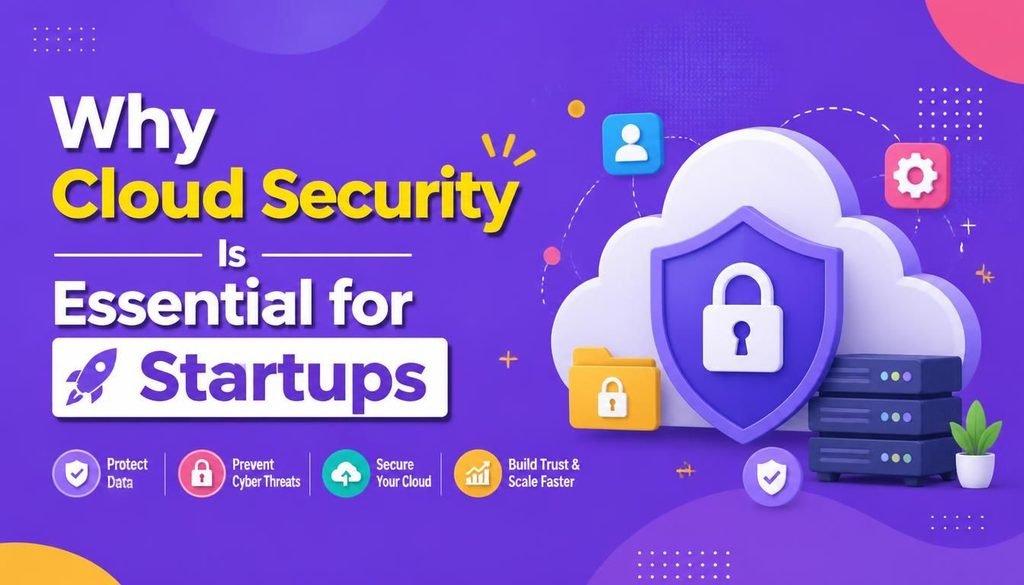
Why Cloud Security Is Essential for Startups: 10 Proven Tips to Thrive

Launching a modern business in 2026 feels faster and more exciting than ever before. From storing customer databases to deploying SaaS applications, running financial operations, and collaborating across remote teams, young companies run almost entirely on cloud infrastructure.
The cloud gives early-stage teams access to enterprise-grade computing power without needing to build expensive physical server rooms or maintain massive IT departments.
However, convenience also brings responsibility. A single misconfigured cloud bucket, a leaked API key on a public code repository, or a compromised employee password can instantly turn a promising business into a costly security nightmare.
Understanding why cloud security is essential for startups is not something founders should worry about only after securing Series A funding or acquiring thousands of users. Security must be built directly into your product’s architecture from day one.
Let’s break down why cloud security is essential for startups, explore the biggest security vulnerabilities young companies face, and highlight 10 actionable measures to protect your digital assets in 2026.
The Shared Responsibility Model: Who Protects What?
One of the most dangerous myths among first-time founders is assuming that cloud providers like AWS, Google Cloud, or Microsoft Azure handle 100% of their security needs.
When analyzing why cloud security is essential for startups, understanding the Shared Responsibility Model is foundational:
- The Cloud Provider secures the underlying physical infrastructure, hardware, hypervisors, and data center facilities.
- Your Startup is entirely responsible for identity management, user permissions, database configurations, API keys, source code security, and data encryption.
Recognizing why cloud security is essential for startups starts with understanding this boundary as your first critical step toward building a resilient system.
Leading cybersecurity organizations like the Cybersecurity and Infrastructure Security Agency (CISA) continuously urge growing companies to adopt strict cloud configuration standards and identity controls early in their lifecycle.
1. Startups Store Irreplaceable Customer and Business Data
Customer records, payment tokens, employee details, proprietary source code, and financial models live inside cloud storage buckets and managed databases.
A breach involving this sensitive information does not just disrupt daily operations—it can destroy customer trust overnight. For an early-stage company trying to establish market credibility, recovering from a major data leak is exceptionally difficult.
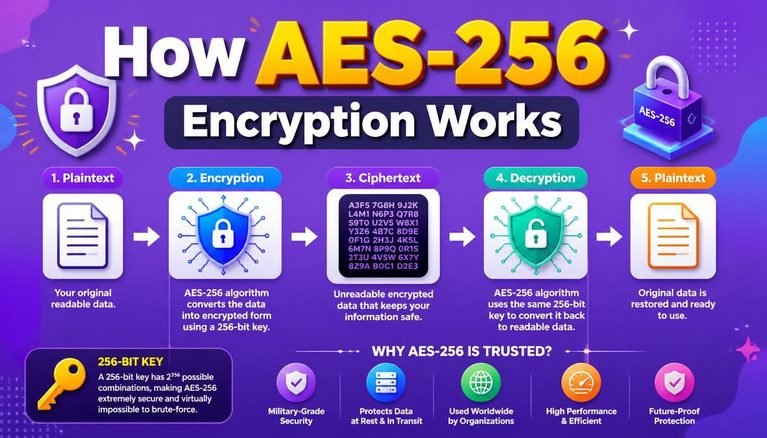
Discovering why cloud security is essential for startups starts with maintaining a simple data inventory: know exactly where your data is stored, who holds access credentials, and how it is encrypted both in transit and at rest.
To protect your business against broader extortion attempts, read our detailed guide on How to Prevent Ransomware Attacks.
2. Preventing Cloud Account Compromise via Credentials
A cloud administrator account with unrestricted access is a goldmine for cybercriminals. If an attacker gains access to your primary cloud management console using stolen login details, they can spin up unauthorized mining servers, wipe databases, or steal intellectual property.
This is why cloud security is essential for startups looking to eliminate single points of failure.
Enforce the Principle of Least Privilege: every team member, developer, and automated service worker should receive only the minimum permissions required to complete their specific tasks.
3. Implementing Multi-Factor Authentication (MFA) Across All Services
Relying on basic passwords alone to protect your cloud accounts is no longer sufficient.
Understanding why cloud security is essential for startups means enforcing mandatory Multi-Factor Authentication (MFA) across every cloud dashboard, code repository, and communication tool used by your team. For sensitive root or admin accounts, use phishing-resistant hardware keys (like YubiKeys) or dedicated authenticator apps rather than basic SMS codes.
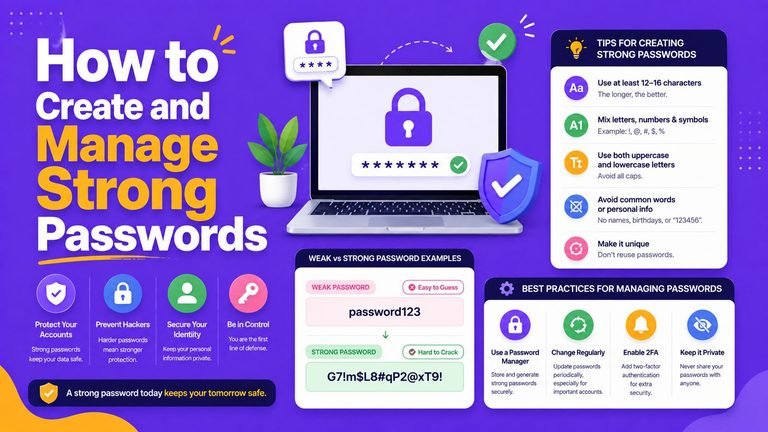
To upgrade your overall authentication hygiene, check out our tutorial on How to Create and Manage Strong Passwords.
4. Fixing Cloud Misconfigurations Before Launch
Security studies consistently show that cloud misconfiguration—not sophisticated hacking—is the leading cause of startup data breaches.
This underscores why cloud security is essential for startups during early deployment phases. Common setup errors include:
- Leaving Amazon S3 buckets or storage drives publicly readable
- Hardcoding database passwords or API tokens directly into public code
- Leaving administrative database ports wide open to the public internet
Regularly auditing your cloud infrastructure settings prevents human oversight from exposing sensitive business assets.
5. Security as a Competitive Sales Advantage
If your startup sells B2B software, fintech tools, or healthcare applications, prospective corporate clients will put your platform through rigorous security vendor reviews before signing a contract.
Here is another key reason why cloud security is essential for startups: demonstrating robust cloud security, data encryption, and compliance readiness early turns security into a powerful sales tool. It proves to enterprise buyers that your product is mature, trustworthy, and ready for deployment.
6. Maintaining Independent, Tested Cloud Backups
Storing your files in a cloud database does not make them immune to accidental deletion, malicious code execution, or internal errors.
Maintain isolated, automated backups of all core databases and critical application states. Ensure at least one backup copy lives in an independent account or region, and routinely test your restoration process to ensure you can recover quickly during an emergency.
7. Securing APIs and Application Environments
Modern SaaS platforms rely heavily on Application Programming Interfaces (APIs) to connect frontend interfaces with backend microservices.
An insecure, unauthenticated API endpoint can leak massive volumes of user data to malicious scraping bots. Ensure your engineering team enforces API rate limiting, robust OAuth authentication, and strict input validation across all endpoints.
Engineers routinely share open-source cloud security auditing scripts and IaC (Infrastructure as Code) scanning tools on developer platforms like GitHub, helping small teams catch code vulnerabilities automatically before deployment.
8. Securing Distributed and Remote Engineering Teams
Remote and hybrid work structures are standard for tech startups, but employees logging in from home Wi-Fi networks or public coffee shops introduce additional entry vectors.
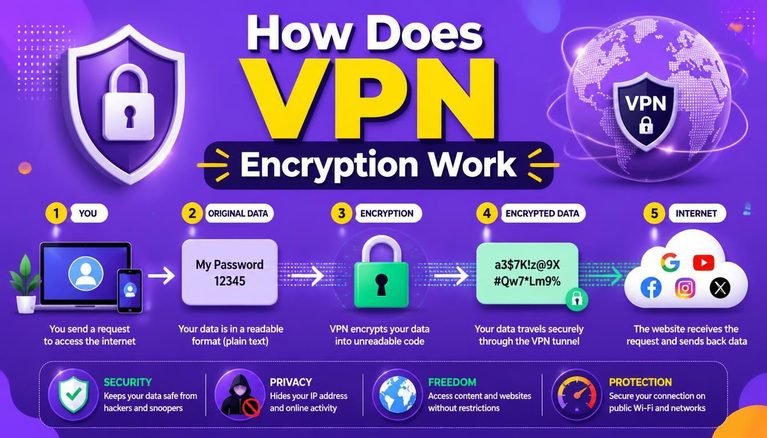
Safeguard remote workflows by providing managed endpoints, requiring VPN or Zero Trust Network Access (ZTNA) protocols, keeping operating systems updated automatically, and establishing clear remote security guidelines.
9. Real-Time Cloud Activity Monitoring and Alerting
You cannot secure what you do not monitor. Enable automated logging and cloud audit trails (such as AWS CloudTrail or GCP Cloud Audit Logs) across your entire cloud ecosystem.
Set up automated alerts for high-risk actions, such as:
- Creation of new root or administrator accounts
- Unusual login attempts from unexpected geographical locations
- Massive spikes in outbound database data transfers
10. Building an Incident Response Plan
Even well-protected startups can experience unexpected security incidents. Having a documented, step-by-step incident response plan ensures your team acts calmly and effectively under pressure.
Your response plan should clearly define:
- Who leads the technical containment efforts
- How to isolate affected cloud instances or revoke compromised credentials immediately
- How and when to notify affected customers and regulatory bodies
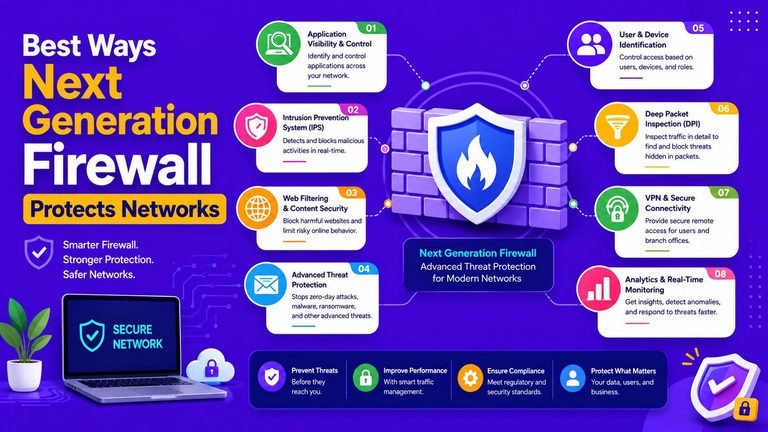
To see how cloud architecture integrates into wider digital trends, explore our guide on Latest Software and AI Tech Trends.
Cloud Security Checklist for Startup Founders
| Security Domain | Core Action Item | Implementation Status |
| Identity & Access | Mandatory MFA enabled across all team accounts | ✅ |
| Permissions | Principle of Least Privilege applied to root console | ✅ |
| Database Protection | Storage buckets & databases kept private by default | ✅ |
| Secrets Management | API keys stored in dedicated vaults, never in code | ✅ |
| Backups | Automated, isolated backups tested regularly | ✅ |
| Audit Logs | Real-time security alerts configured for anomaly detection | ✅ |
Final Thoughts
Understanding why cloud security is essential for startups allows founders to build sustainable, scalable businesses. Rather than viewing cybersecurity as an annoying financial bottleneck, treat it as a foundational pillar of your core product.
Now that you understand why cloud security is essential for startups, you can begin implementing mandatory MFA, enforcing strict permission boundaries, fixing cloud misconfigurations, and protecting API endpoints early to build an invincible digital environment.
Frequently Asked Questions (FAQs)
How much should an early-stage startup spend on cloud security tools?
In the beginning, you do not need expensive enterprise software suites. Most major cloud platforms (AWS, GCP, Azure) offer powerful built-in identity management, bucket encryption, and logging tools for free or at very low cost. Focus on mastering configuration fundamentals first.
What is the biggest cloud security mistake made by new startups?
The most common mistake is embedding secret API keys, database connection strings, or cloud credentials directly inside publicly accessible code repositories (like public GitHub repos). Always use dedicated secrets management services.
When should a startup consider getting SOC 2 or ISO 27001 certified?
If you are selling B2B SaaS products to mid-market or enterprise customers, pursuing SOC 2 Type I or Type II compliance usually becomes necessary during your growth phase when clients request proof of security controls before purchasing.
Share Your Thoughts
Why do you think cloud security is often overlooked by early-stage teams? Have you already integrated automated secrets management into your build pipeline? Share your experiences, favorite developer tools, or questions in the comments below!