7 Dangerous Ways How AI Is Being Used in Cybersecurity in 2026!

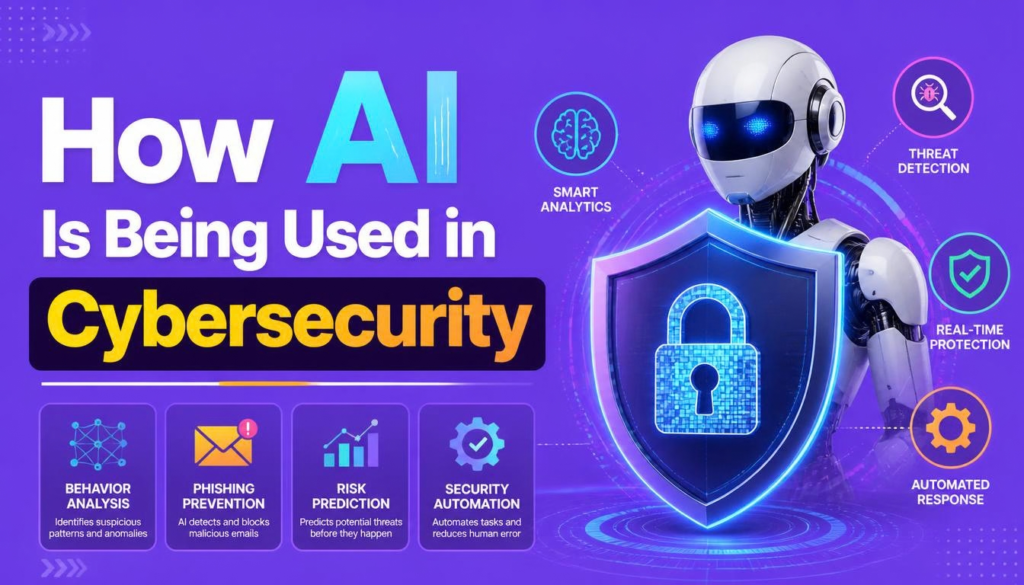
If you’ve been following tech news lately, it feels like smart automation is suddenly taking over every industry—and digital defense is ground zero for this shift. Right now, understanding how AI is being used in cybersecurity isn’t just an academic exercise; it’s a front-line reality for every business owner, IT team, and security analyst trying to keep their systems safe. Security teams rely on smart algorithms to comb through mountain-sized datasets, spot weird network behaviors, catch sneaky threats, and give human analysts a much-needed breath of fresh air.
But there’s a serious catch.
Cybercriminals have access to the exact same powerful technology. They’re actively experimenting with modern generative tools to craft terrifyingly convincing phishing emails, automate malicious tasks, and launch hyper-targeted social engineering scams at a scale we’ve never seen before. Exploring how AI is being used in cybersecurity reveals both a vital shield for defensive teams and a high-tech threat when bad actors get their hands on it.
AI Cybersecurity Defense Infrastructure Pipeline. Source: Naphat Ittipong / Getty Images
What Is AI in Cybersecurity?
Before diving into the front-line battles, let’s break down what this actually means without all the heavy buzzwords. When we analyze how AI is being used in cybersecurity, we’re talking about algorithms and machine learning models built to safeguard your computers, cloud servers, networks, and sensitive customer data.
Traditional security systems rely heavily on strict, hardcoded rules. Think of an old-school antivirus looking for a known virus signature, or a basic firewall blocking a specific IP address. If an attack looks slightly different, traditional tools often miss it completely.
Understanding how AI is being used in cybersecurity means shifting from static rules to dynamic behavior analysis. Instead of searching only for past, known threats, modern systems learn what “normal” activity looks like across your company and flag anything out of the ordinary. To see how these smart systems learn from data compared to traditional software programs, check out our straightforward guide on Machine Learning vs Normal Coding.
5 Defensive Applications: How AI Is Being Used in Cybersecurity
┌─────────────────────────────────────────────────────────────┐
│                 AI Threat Detection Pipeline                │
├─────────────────────────────────────────────────────────────┤
│ Telemetry Data ──> Anomaly Scoring ──> Alert Correlation ──> Human Analyst │
└─────────────────────────────────────────────────────────────┘
When looking at how AI is being used in cybersecurity on the defensive side, five everyday applications are doing the heavy lifting for modern security teams:
1. Catching Weird Behavioral Anomalies
One of the most practical examples of how AI is being used in cybersecurity is User and Entity Behavior Analytics (UEBA). Instead of relying on a static list of bad files, the system builds a baseline of everyday user habits. For instance, if Sarah from accounting usually logs in from Chicago at 9 AM, but suddenly logs in at 3 AM from an unknown location to download sensitive databases, the system immediately flags it for human review.
2. Stopping Sneaky Phishing Emails
Phishing remains the easiest way for hackers to break into a corporate network. Evaluating how AI is being used in cybersecurity for inbox protection shows how natural language models inspect the real context of an email, check domain origins, look at attachment behaviors, and catch sneaky scams that slip right past standard spam filters.
3. Automated Malware Behavior Analysis
Hackers constantly tweak their malware code so old antivirus software won’t recognize it. Examining how AI is being used in cybersecurity demonstrates how neural networks run suspicious files inside isolated, safe environments (“sandboxes”). The system observes what the file tries to do—like secretly modifying system registries—and rates its threat level instantly.
4. Continuous Network Traffic Inspection
Your network handles thousands of data transfers every minute, making manual inspection practically impossible. Analyzing how AI is being used in cybersecurity at the network level shows how smart tools spot sudden data spikes, unauthorized remote connections, or subtle background movements before sensitive files leave your servers.
5. Curing “Alert Fatigue” for IT Teams
Ask any IT professional about their biggest headache, and they’ll tell you about alert fatigue. Security software can fire off thousands of warnings a day, making it easy to miss an actual breach. A major benefit of how AI is being used in cybersecurity is alert correlation—grouping related warnings into one clear, prioritized incident report so humans know where to focus first.
The Dark Side: How Cybercriminals Misuse AI
You can’t truly understand how AI is being used in cybersecurity without looking at how attackers turn these exact tools against us. Cybercriminals use smart automation to make their scams faster, cheaper, and remarkably convincing:
┌─────────────────────────────────────────────────────────────┐
│                   Attacker AI Misuse Cases                  │
├──────────────────────────────┬──────────────────────────────┤
│ Threat Category              │ AI Misuse Mechanism          │
├──────────────────────────────┼──────────────────────────────┤
│ Spear-Phishing               │ Flawless localized text gen  │
│ Deepfake Fraud               │ Voice/Video impersonation    │
│ Reconnaissance               │ Automated OSINT processing   │
└──────────────────────────────┴──────────────────────────────┘
- Flawless Scam Messages: Gone are the days when you could spot a scam email by its terrible grammar and awkward phrasing. Generative tools help attackers write polished, natural messages in almost any language.
- Deepfake Impersonations: Fraudsters use voice-cloning technology to pretend to be company executives over the phone, tricking staff into authorizing urgent wire transfers.
- Automated Reconnaissance: Instead of manually searching for system vulnerabilities, bad actors run automated scripts to scan thousands of public code bases and server ports in seconds.
Defensive AI vs AI-Assisted Cybercrime
| Area | Defensive AI | AI-Assisted Cybercrime |
|---|---|---|
| Primary Goal | Protect accounts, networks, and assets | Gain unauthorized access or steal data |
| Email Defense | Block deceptive links and hidden intent | Write highly convincing social engineering lures |
| Data Processing | Spot subtle deviations from normal routines | Scan target networks for unpatched flaws |
| Automation Focus | Reduce analyst workload and filter noise | Launch massive, personalized scam campaigns |
| Human Role | Verify AI findings and run strategy | Direct malicious intent and collect payouts |
Looking at how AI is being used in cybersecurity proves that the tech itself is neutral—the outcome always depends on who is behind the keyboard and what guardrails are in place.
Benefits and Limitations of AI Security Tools
┌─────────────────────────────────────────────────────────────┐
│                   Benefits vs Limitations                   │
├──────────────────────────────┬──────────────────────────────┤
│ Key Benefits                 │ Critical Limitations         │
├──────────────────────────────┼──────────────────────────────┤
│ • Instant Data Processing    │ • False Positive Workloads   │
│ • 24/7 Threat Monitoring     │ • Hallucinations & Blindspots│
│ • Rapid Alert Summarization  │ • Data Poisoning Vulnerability│
└──────────────────────────────┴──────────────────────────────┘
The Big Wins
- Real-Time Speed: Scans and processes millions of system logs in seconds.
- 24/7 Vigilance: Keeps eyes on your network around the clock without getting tired.
- Smarter Prioritization: Filters out harmless noise so human teams can tackle real threats.
The Real Limitations
- False Alarms: Marking safe employee actions as “threats” wastes valuable time and creates frustration.
- Adversarial Tricks: Hackers actively study defense algorithms to figure out subtle ways to sneak past them. For public guidelines on managing these automated risks, check out the official resources at the Cybersecurity and Infrastructure Security Agency (CISA).
How Your Business Can Prepare Right Now
Understanding how AI is being used in cybersecurity highlights why simple, rock-solid security habits matter more today than ever before:
- Enable Multi-Factor Authentication (MFA): Turning on MFA stops the vast majority of automated login attacks in their tracks, even if an employee’s password gets leaked.
- Train Your Team Continuously: Remind staff that an email looking professional doesn’t guarantee it’s safe. Always double-check unexpected financial requests through a secondary channel.
- Keep Offsite Backups: Maintain secure, immutable backups of your vital business data so a ransomware incident can’t hold your business hostage.
Conclusion
Taking a close look at how AI is being used in cybersecurity shows a fast-moving landscape where defenders and bad actors are locked in a continuous game of cat-and-mouse. While smart automation gives defenders unprecedented speed and visibility, machine logic can never replace human context, critical thinking, and strategic judgment.
By pairing powerful automated tools with strong basic security habits, organizations can build a resilient defense that stands up to modern cyber threats.
What’s the biggest challenge your team faces when evaluating how AI is being used in cybersecurity—handling the endless flood of alerts, or staying ahead of realistic phishing scams? Drop your thoughts in the comments below!
Frequently Asked Questions (FAQs)
How is AI being used in cybersecurity today?
When people ask how AI is being used in cybersecurity, it usually boils down to pattern recognition and speed. Main uses include analyzing live network traffic, flagging unusual account logins, filtering out sophisticated phishing emails, and organizing security alerts for human analysts.
Can AI completely replace human security analysts?
No. Even though understanding how AI is being used in cybersecurity highlights massive efficiency gains, algorithms lack business context. Human analysts are always needed to investigate edge cases, make final calls, and execute real-world incident response plans.
Share Your Experience
Share your questions and thoughts in the comments below!